
Why Am I Always Tired? Causes, Fixes and Vitamins for Fatigue
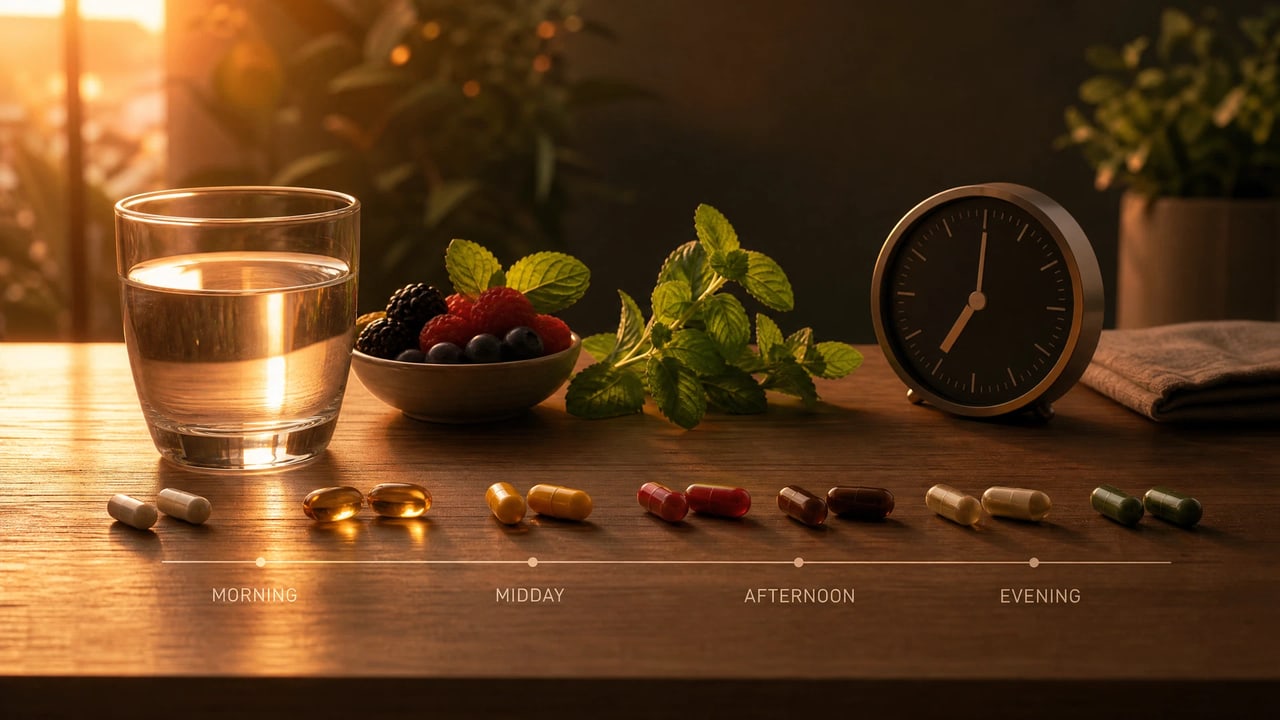
Why am I always tired?
If you wake up exhausted, hit a wall at 3 pm and still feel flat at the weekend, you are in good company. Tiredness is one of the most common complaints in everyday life. Usually it is not one big problem but several small ones stacking up: short sleep, steady stress, skipped meals and little movement.
This guide covers the most common causes of tiredness, what to check when you feel tired even after sleeping, practical ways to fight fatigue, and a sober look at vitamins for fatigue. It is general information and does not replace medical advice.
- Everyday tiredness is normal and usually reversible
- Fatigue that lasts several weeks deserves a medical check
- Several small causes often add up
You will find more practical reads in our Health & Wellness blog.
- NHS – Tiredness and fatigue (https://www.nhs.uk/symptoms/tiredness-and-fatigue/) – Overview of common causes and when to get medical advice.
Tiredness causes: the usual suspects
Tiredness rarely has a single trigger. These factors show up most often in daily life:
- Too little or broken sleep: adults generally need seven hours or more, and a sleep debt builds quickly
- Long-term stress: constant tension drains energy and often disturbs sleep
- Irregular eating: long gaps and very sugary meals lead to energy dips
- Not enough fluids: even mild dehydration can dull focus and energy
- Too little movement: people who barely move often feel more sluggish
- Screens late at night: bright light shortly before bed can delay falling asleep
- Low nutrient intake: for example iron, vitamin B12 or magnesium
Medical causes such as iron deficiency anaemia, thyroid problems, sleep apnoea or depression can also play a role. Only a doctor can identify them.
- CDC – About Sleep (https://www.cdc.gov/sleep/about/index.html) – Recommended sleep duration and effects of sleep loss.
Tired even after sleeping: what to check
You sleep eight hours and still feel wrecked? Then sleep quality is often the issue, not sleep length.
- Irregular bedtimes confuse your body clock
- Alcohol in the evening makes sleep lighter
- Caffeine in the afternoon lingers for many people for hours
- Worry and stress keep you from deep sleep
- Loud snoring with pauses in breathing (sleep apnoea) should be checked by a doctor
A fixed, screen-free wind-down routine helps most people. Small habits are enough to start.
How to stop feeling tired: seven realistic habits
You do not need a radical overhaul. Habits you can actually keep beat a perfect plan that lasts three days. If you want to know how to fight fatigue day to day, start here:
- Fixed bedtime: go to bed at a similar time every day
- Morning daylight: ten minutes outside helps your body wake up
- Eat regularly: a protein-rich breakfast and a lunch with vegetables keep energy steadier
- Drink enough: a glass of water after waking and a bottle on your desk
- Move: a 15-minute walk can soften the afternoon slump
- Use caffeine wisely: avoid coffee late in the day
- Take short breaks: stand up every 60 to 90 minutes
Our article on cellular nutrition and micronutrient absorption explains how nutrients reach your cells.
- Harvard Health – Sleep (https://www.health.harvard.edu/topics/sleep) – Background on sleep habits and daytime energy.
Vitamins for fatigue: what the rules allow and what they do not
In the EU, a few vitamins and minerals may carry the statement that they contribute to the reduction of tiredness and fatigue. That does not mean that more of them gives you more energy. If your intake is already adequate, you should not expect an extra effect.
A deficiency cannot be guessed. If you are tired for weeks, ask your doctor to check values such as ferritin and vitamin B12 before you supplement.
- Iron: contributes to the reduction of tiredness and fatigue. Supplement only when a need has been shown
- Magnesium: contributes to the reduction of tiredness and fatigue and is found in nuts, whole grains and legumes
- Vitamin B12: contributes to the reduction of tiredness and fatigue and is found mostly in animal foods
- Vitamin C: contributes to the reduction of tiredness and fatigue and is found in peppers, berries and citrus fruit
- Folate and other B vitamins: also contribute to the reduction of tiredness and fatigue
Read more about magnesium in our article on magnesium for athletes. Disclosure: I am an independent FitLine distribution partner. A neutral overview of the products is in the FitLine Optimal Set guide. A supplement never replaces a balanced diet or a medical check.
- NIH – Vitamin B12 Fact Sheet (https://ods.od.nih.gov/factsheets/VitaminB12-Consumer/) – Functions, requirements and signs of low vitamin B12.
- NIH – Iron Fact Sheet (https://ods.od.nih.gov/factsheets/Iron-Consumer/) – Iron needs, deficiency and safety.
- NIH – Magnesium Fact Sheet (https://ods.od.nih.gov/factsheets/Magnesium-Consumer/) – Reference values, food sources and safety.
- EU Register of nutrition and health claims (https://ec.europa.eu/food/food-feed-portal/screen/health-claims/eu-register) – Authorised statements on tiredness and fatigue.
When to see a doctor about tiredness
Tiredness is a non-specific symptom. See your doctor soon if any of these apply to you:
- The exhaustion lasts longer than two to four weeks
- You lose weight without trying or have night sweats
- You look unusually pale, or have palpitations or breathlessness on light effort
- You fall asleep during the day or someone notices pauses in your breathing at night
- You have felt low or without drive for weeks
For acute symptoms such as chest pain or severe breathlessness, call your local emergency number immediately.
Frequently asked questions about tiredness
Here are the questions readers ask most often.
Why am I always tired even though I sleep enough?
Often sleep quality, stress, diet or lack of movement are behind it. If you stay tired for several weeks despite good sleep, have it checked by a doctor.
Which vitamins are good for fatigue?
Iron, magnesium, vitamin B12, vitamin C, folate and other B vitamins contribute to the reduction of tiredness and fatigue. A blood test shows whether you need more than your diet provides.
What gives energy fast?
A glass of water, fresh air, a short walk and a real break help many people in the short term. Long term, a steady rhythm of sleep, food and movement does the work.
Is constant tiredness serious?
Not automatically. It can point to a treatable cause such as a nutrient deficiency or a sleep disorder, so it is worth a check if it does not improve on its own.
Conclusion: small steps instead of constant exhaustion
If you are always tired, take a calm look at the basics: sleep, food, fluids, movement and stress. Pick one habit and watch for two weeks what changes.
- Fixed sleep times and a quiet evening routine
- Regular meals with protein and vegetables
- Enough water and a daily walk outside
- If tiredness lasts, have your blood values checked by a doctor
More practical reads are waiting in the Health & Wellness blog.
Note: This article is general information and does not replace medical advice. If you are tired for a long time or have other symptoms, please have the cause checked by a doctor.
📢 Share article
Share this guide with someone who is always tired


